How to Store Comic Books and Keep Them in Good Shape
Published October 2, 2026 | Back to the Blog
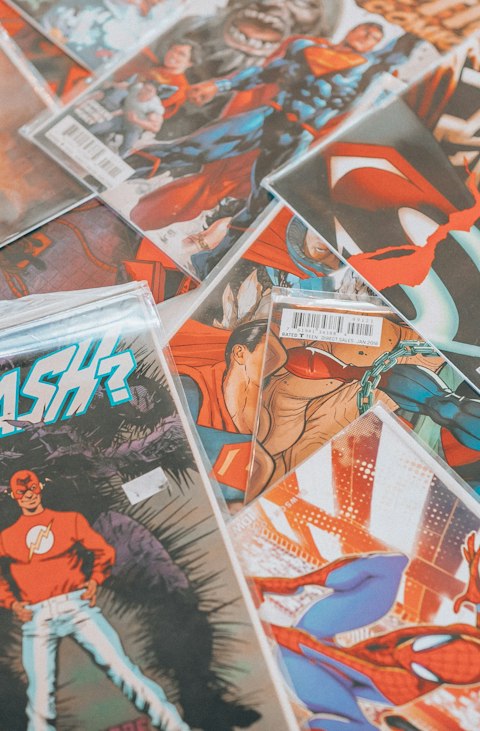
Every day at the shop in San Diego we see books that were fine when they were bought and ruined by the way they were kept. Rusted staples from a damp garage, spines bent by a rubber band, and covers faded from a sunny windowsill all lower a grade and the value that goes with it. Storage is cheap compared with replacing a key issue, so it is worth doing right from the first book you buy.
What You Need Before You Start
- Bags: Polypropylene or Mylar sleeves sized for the era of the book. Silver Age and Golden Age books are wider than modern ones and do not fit a standard bag.
- Backing boards: Acid-free boards, one per book, cut to match the bag size.
- Boxes: Short boxes hold about 150 to 175 modern comics and long boxes hold roughly twice that. Corrugated, acid-free boxes are the usual choice.
- Dividers: Optional, but they keep a long run in order without handling every book.
Step by Step: Bagging and Boarding a Comic
- Wash and dry your hands. Skin oil leaves marks on glossy covers.
- Open the bag and slide the backing board in first, with the tape flap facing away from the cover.
- Slip the comic in front of the board, spine aligned with the board edge, and let it settle without forcing it.
- Fold the flap over the back and seal it with a small piece of tape. Do not tape the book itself.
- Write the title and issue number lightly on the board's back edge so you can find it without pulling it out.
Where to Keep the Box
Heat, light, and humidity do more harm than almost anything else. Keep boxes in a closet or on a shelf inside the living space, not in an attic, a garage, or a basement. A steady room temperature around 65 to 70 degrees and humidity between 40 and 50 percent is a good target. Sunlight fades ink quickly, so keep boxes out of direct light even when they are closed.
Packing a Box Properly
Stand comics upright, like files in a drawer. Pack them snug enough that they do not lean, but never so tight that you have to pry a book out. Stacking boxes more than four high crushes the bottom ones, and laying a box flat on its side puts weight on the spines. For a very valuable book, a rigid top-loader or a graded slab is safer than a bag in a box.
Habits That Add Up
Rotate through your boxes once or twice a year and check for moisture, insects, and sagging bags. Replace old bags every five to ten years, because cheap plastic turns brittle and can leave residue. When you read a book, take it out by the board, hold it by the edges, and put it back right away.
If you already have a pile of unsorted books and are not sure which ones deserve extra protection, our comic book grading guide explains how condition affects value. You can also read why some collectors choose to send books to CGC and seal them in a slab for good.